What should I do first if a tree falls on my house?
Get everyone out of the damaged area and stay away from power lines. Call your utility if lines are down. Then take photos from a safe distance and contact a local provider for removal.
Request an estimate from local providers
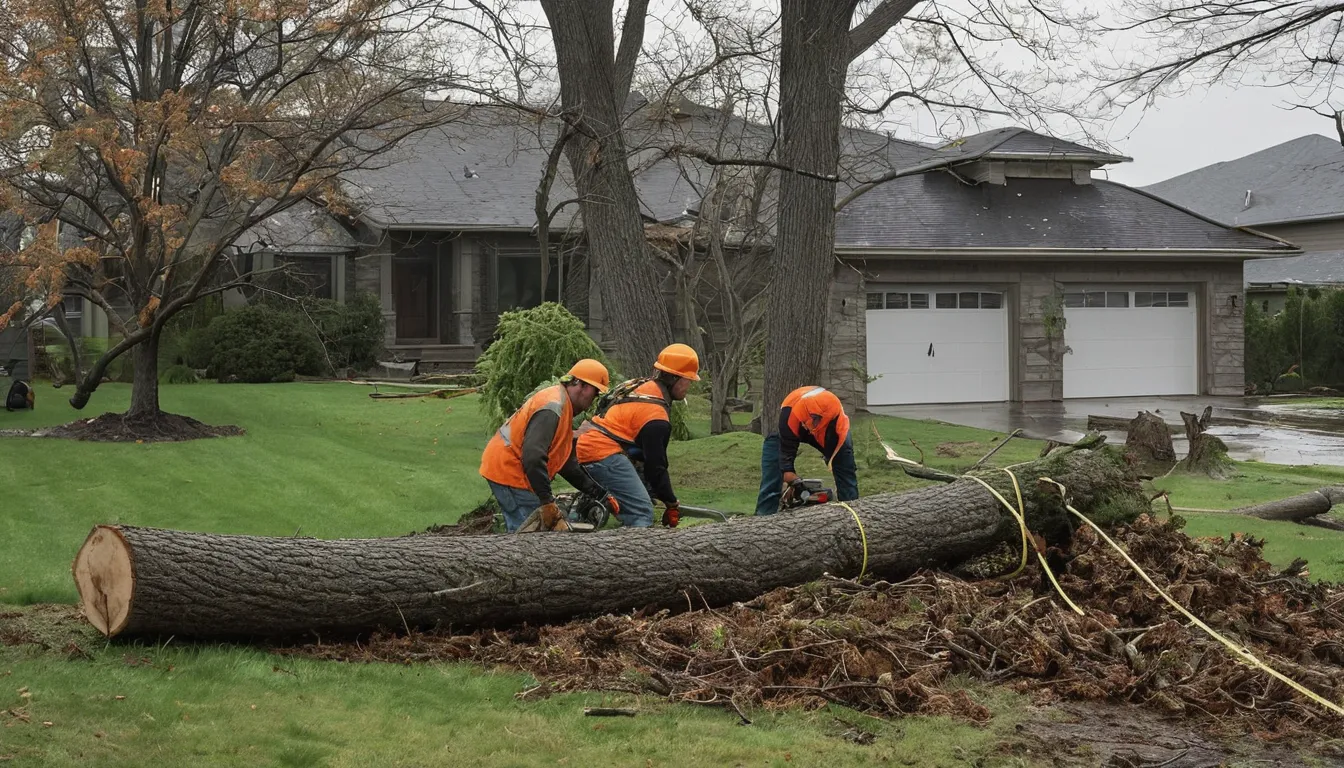
A tree that falls or splits is scary, especially if you have never dealt with one. It may block your driveway, rest on a roof, or hang over a power line. Generatedwayne Tree Service helps you sort out what to do first, what the work usually costs, and what to ask before anyone starts cutting.
We are a referral service. We do not cut or haul trees ourselves. We connect homeowners in Waukegan and the Waukegan area with independent local providers who handle emergency tree removal and storm tree clearance. Availability varies by provider, so ask what they can do for your situation. Compare written quotes when you can, know the price drivers, and ask before you commit. This page walks you through each step in plain words.
Your first job is not saving money. It is keeping everyone safe. If the storm is still going, stay indoors. Keep kids and pets away from windows on the side with the damaged tree.
Once it is calm, look from a distance. Do not walk under hanging limbs. A cracked branch can drop without warning.
If a branch or trunk touches a power line, stay far back. Do not touch the tree, a fence, or anything wet near it. Call your utility company first. Providers cannot safely cut near energized lines until the utility has made them safe.
Some cases cannot wait for a slow quote process. These are the ones to treat as urgent:
Not every storm tree is an emergency. A fallen limb in a back corner of the yard, or a tree lying flat on open lawn, can often wait. Waiting a few days gives you time to compare options. It can also help you avoid rush pricing when many neighbors are calling at once.
A provider looks at the tree, the access, and what it is touching. Then they plan the cuts. Large trees are often taken apart in sections and lowered, not dropped. The wood and brush are then cut up and either left for you or hauled away, depending on the quote.
This is why a good tree falling service needs ropes, saws and trained climbers, and sometimes a crane.
You can safely move small, loose branches that are on the ground and nowhere near a line. You can also clear the area so crews can get in. Move cars and patio furniture, and take photos.
Leave anything under tension to a pro. A trunk pinned against a house or another tree can spring when cut. Chainsaws on ladders cause serious injuries every year.
Costs rise with tree size, tight access, and danger to the house. Crane use, cleanup and rush scheduling add more. Cold winters and spring flooding can leave soil soft or frozen, which can slow equipment and change the price.
A written quote only takes a few minutes. It should list the work, the cleanup, what happens to the wood, and the total. If one number is far lower, ask what is missing.
Some policies may cover sudden damage from wind or a falling tree. Many do not cover removal of a tree that fell without hitting anything. Check your policy and call your agent. Providers can often help document damage for a claim with photos and a written description.
Take wide shots and close ups before the tree is cut. Include the roof, fence, gutters and any broken windows. Save the written quote and the final invoice too.
When a hailstorm or severe thunderstorm hits a whole area, many homes need help at once. Providers triage. Trees on houses and blocked roads usually go first. Request a callback to check provider availability, and be ready to wait if your tree is not causing danger.
A temporary tarp on a damaged roof can protect a basement from leaks while you wait. That matters in older frame houses and ranch homes.
Once the trunk is gone, a stump remains. Stump grinding is often a separate line on the quote. You can schedule it after the emergency passes, which spreads out the cost.
Have large trees checked each year. Look for dead branches, cracks, mushrooms at the base, and leaning. Trimming weak limbs before summer storms is cheaper than removing a fallen tree. Heavy spring rain can also loosen roots near basements and sump pump lines.
Providers cut a downed trunk and limbs into pieces that can be moved safely.
Blocked driveways, yards and walkways are cleared so you can get in and out again.
Cracked or hanging branches over roofs and paths are taken down before they fall.
Brush and logs can be hauled away or stacked, depending on your written quote.
These are typical U.S. ranges. Prices vary by tree size, access and damage. Compare written quotes and ask what each line includes before you commit.
| Item | Typical range | Notes |
|---|---|---|
| Small tree or large limb down | $300 – $1,000 | Open yard, easy access |
| Medium tree removal | $800 – $2,000 | Depends on height and access |
| Large tree removal | $1,500 – $4,500 | Often cut in sections |
| Tree on house or roof | $2,000 – $10,000 | Repairs are separate |
| Crane use | $500 – $2,500 | Added when no safe climb is possible |
| Debris haul-off and stump grinding | $100 – $600 | Often listed as separate lines |
Stay clear of the tree and any power lines, and call your utility if lines are involved.
Photograph the tree and any damage before anything is moved.
Tell us about the tree and your location, and we pass it on.
Review written quotes, ask your questions, then pick the provider you prefer.
We explain costs and steps in plain words so you can decide with a calm head.
You are matched with independent providers who work in your area.
Ask for written quotes and compare them side by side.
Requesting an estimate does not commit you to hiring anyone.
Tell us about your tree and where it stands. A provider in our network can follow up with questions and a written quote, with no obligation.
No obligationGet everyone out of the damaged area and stay away from power lines. Call your utility if lines are down. Then take photos from a safe distance and contact a local provider for removal.
Typical U.S. prices run from a few hundred dollars for a small limb to several thousand for a large tree on a roof. Size, access, crane needs and rush scheduling all change the total, so compare written quotes.
Some policies may cover sudden damage, especially when a tree hits your house or another covered structure. Many do not cover a tree that fell without causing damage. Check your policy, and ask your agent before work starts.
Tell us about your tree and where it stands. A provider in our network can follow up with questions and a written quote, with no obligation.
No obligation